
You can stay up to date on industry trends and earn valuable continuing education credits with this collection of accredited, on-demand webinars on Vectorworks University.
Each session explores practical, real-world applications of BIM, materials, sustainability, and design strategy to support your professional growth.
After watching, be sure to take the quiz at the end of the webinar, when applicable, to receive accreditation.
Spaces — Your Multi-Functional BIM Tool
Approved for One AIA LU, One AIBC LU, One AAA LU
Space objects are one of the most versatile and hardest working of all the BIM features, serving the needs of every design phase of an architectural project. Among their many capabilities, Space objects enable you to plan a project in 2D or 3D, verify building codes and zoning compliance, report data about themselves and their contents, assemble room finish information, and accurately visualize their data.
In this webinar, Vectorworks Architect product specialist Neil Barman examines real-use cases for architectural and interior design workflows that leverage the power of spaces.

Designing with Concrete in the 21st Century
Approved for One AIA LU, One AIBC LU, One AAA LU
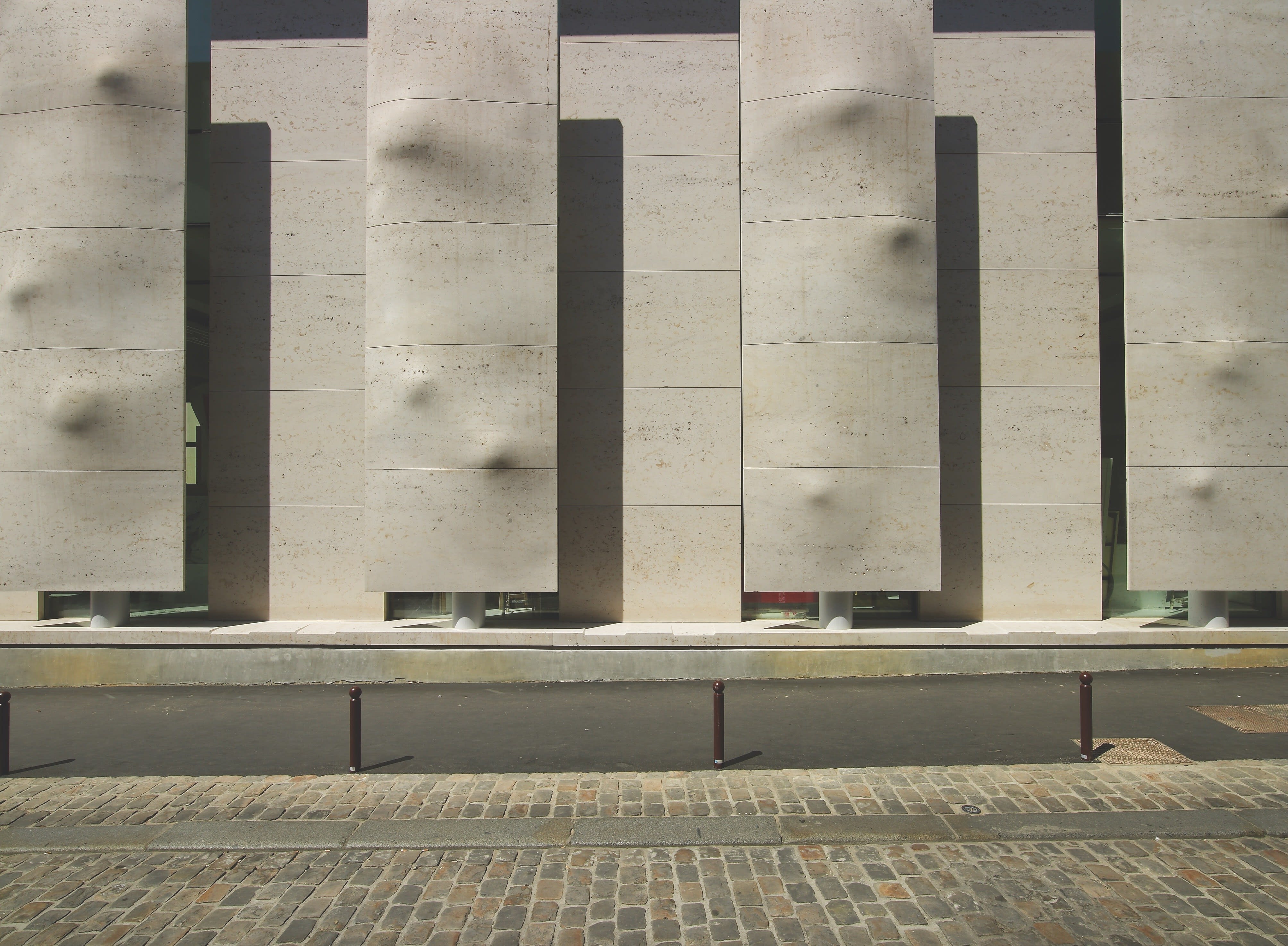
Concrete is a rather ubiquitous, tested, proven, and versatile building material. It has been used for literally thousands of years to create long-lasting man-made structures of all types, including buildings. Architects in the past few centuries have found it to be an appealing choice to express dynamic and vibrant designs in ways that other materials could not.
The ability to structurally reinforce concrete and form it into custom, free-flowing shapes can give it an organized quality that is different from most other materials. This can produce more design freedom and the ability to incorporate unique and custom features into a building as part of the basic construction process.
It is not surprising then that new technologies, techniques, and design approaches have been developed that allow architects to think and design with concrete in ways that are even more creative, structurally efficient, sustainable, and cost efficient. It is also common to couple the technical knowledge of concrete with the ability to design in three dimensions using building information modeling or similar design software to create award-winning and stunning facilities. Some architects even attest that their careers have not only been made possible but have flourished through this combination.
Enhancing Sustainability Through Materials and BIM
Approved for One AIA LU/HSW, One AIBC LU, One AAA LU
We live in a world of limited resources, and the AEC industry not only has a large impact on the use of those resources, but also on the overall health of our planet. As designers, it is important to consider the impact of the project not only on the environment, but also on the health of its occupants.
In this course, you’ll learn how to better identify and reduce a design’s carbon footprint using Building Information Modeling (BIM). Specifying high-quality, sustainable materials for interiors can not only lead to longer product life cycles and better energy management, but also benefit the overall health of the occupant by limiting the use of toxic substances and volatile organic compounds (VOCs). We’ll demonstrate how BIM gives the designer more control over a building’s level of sustainability – such as generating embodied carbon calculations – and gives the designer more opportunities to enhance the aesthetics and occupant comfort by using a systems approach.

Designing for Reuse: A Case Study
Approved for One AIA LU, One AIBC LU, One AAA LU
The most environmentally responsible building may be one that’s already built.
In this webinar, you’ll learn how François Lévy, architect and principal at François Lévy Architecture + Interiors, used BIM software to serve a church congregation in its decision-making process regarding the fate of its damaged parish hall. The firm used a variety of tools, such as Space objects, worksheets, data visualization, and Point Cloud photogrammetry, to evaluate the building rehabilitation and explore options to undertake the project efficiently in phases.
Stay in the know with the latest insights
Subscribers receive news, customer stories, success and learning tips, event information, and other important announcements from Vectorworks.
By submitting this form, you agree that Vectorworks, Inc. and its authorized partners may contact you in regards to news, offers, and the use of our software, services, and platforms. Learn more about our privacy practices and your data on our privacy page.*